

The steering is light, the road noise is familiar, and nothing feels out of place. It’s only once the speed climbs and the road opens up that something changes. A faint tremor appears through the steering wheel. Not enough to alarm at first, but enough to make you notice. At 80 kilometres per hour it’s there. At 100, it’s harder to ignore.
This kind of vibration often catches drivers off guard because it doesn’t announce itself around town. The car behaves normally in traffic, through roundabouts, and while parking. The problem only reveals itself when everything is moving faster and under greater load.
That distinction matters. Issues that appear only at highway speed are usually tied to components that rotate, balance, or stabilise the car as momentum increases. The steering wheel becomes the point where those issues make themselves known, even when the steering system itself is not the root cause.
Why Speed Changes Everything
At higher speeds, small imperfections become amplified. A wheel that is only slightly out of balance, a tyre with uneven wear, or a component with minimal play can feel perfectly fine at 40 kilometres per hour. At 90, those same imperfections generate forces strong enough to travel through the suspension and into the steering column.
This is why vibration at highway speed often feels rhythmic rather than random. It rises and falls in a pattern that matches wheel rotation rather than engine speed.
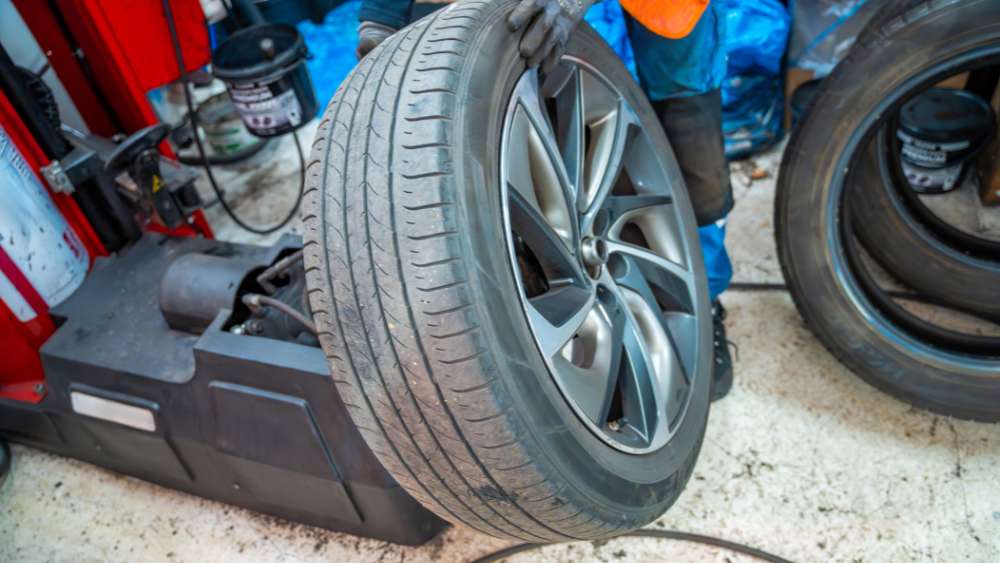
Wheel Balance Is the Most Common Starting Point
This can develop after:
Brake Components Can Play a Role Even Without Braking
Brake related vibration is often associated with braking, but that is not always the case.
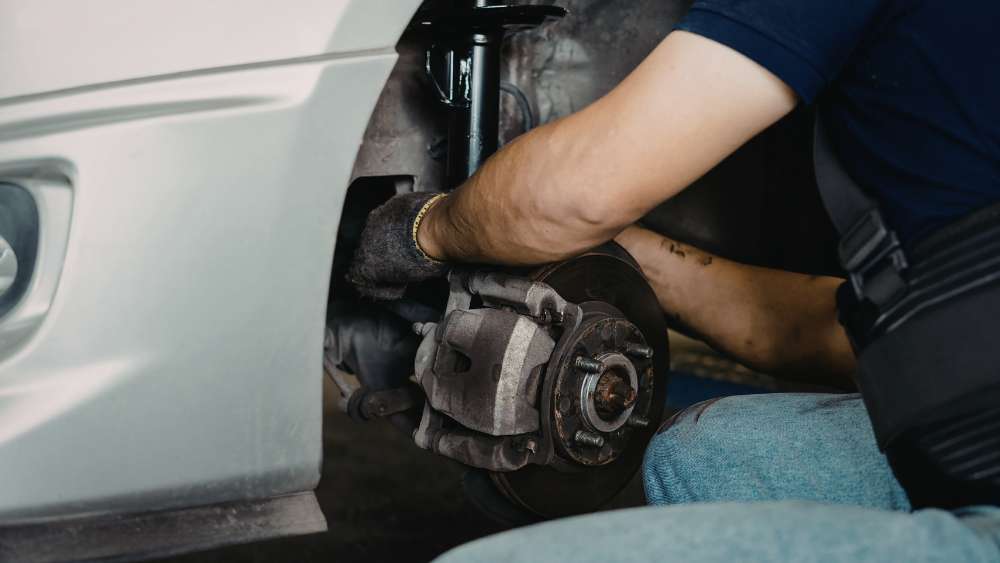
Brake discs that are uneven or have excessive runout can create subtle movement as the wheel rotates, even when the brakes are not being applied. At speed, that movement can transmit through the hub and suspension, presenting as a steering wheel shake.
If the vibration becomes more noticeable when braking lightly at highway speed, brake components deserve closer inspection. This differs from steering stiffness or heaviness at low speed, which points to a different set of causes.
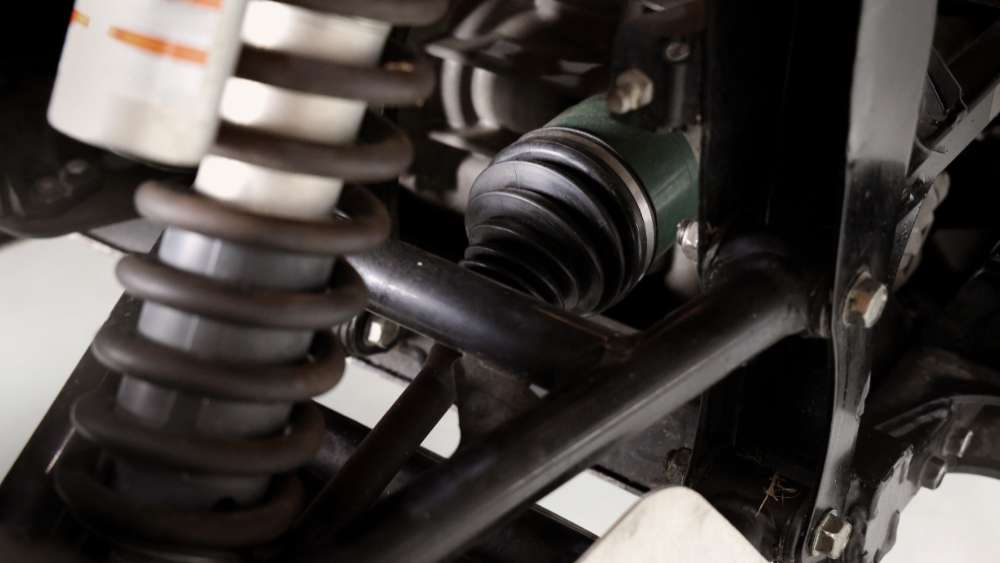
Suspension Wear Becomes More Obvious on Faster Roads
Common contributors include:
Why Smooth Roads Can Make It Feel Worse
It often surprises drivers that vibration feels stronger on smooth highways than on rough roads.
On uneven surfaces, the suspension is constantly reacting to changes, which can mask rotational vibration. On smooth roads, there is less surface variation, allowing imbalance or component movement to transmit more directly through the steering wheel.
This is why many drivers notice the issue most clearly on motorways or freshly resurfaced roads.
Why the Vibration Can Come and Go

Is It Safe to Keep Driving?
Mild vibration over a short period may not present an immediate safety risk, but it should not be ignored.
Over time, unresolved vibration can:
Why European Cars Often Feel This More Clearly
European vehicles are typically engineered with more direct steering and tighter suspension tolerances. This provides responsive handling, but it also means changes are transmitted more clearly to the driver.
A vibration that feels subtle in one car may feel more pronounced in another, not because the issue is worse, but because the steering system communicates it more directly. Accurate diagnosis matters, as replacing parts based on assumption often fails to resolve the problem.
When It Makes Sense to Have It Checked
How This Differs From Other Steering Concerns
A Practical Way to Think About Highway-Speed Vibration
Steering wheel shake at highway speeds is rarely random. It is usually the result of a rotating or load-bearing component no longer operating smoothly. Left unresolved, it tends to worsen rather than disappear.
Addressing it early restores driving comfort, protects tyres and suspension components, and helps maintain predictable handling at speed.
FAQs About Steering Wheel Shake at Highway Speeds
Some issues resonate within a specific speed range. Changing speed can temporarily move outside that range without fixing the underlying problem.
Alignment issues usually cause pulling or uneven tyre wear rather than vibration, although severe misalignment combined with worn components can contribute.
Wheel balance is a common starting point, but it should form part of a broader inspection rather than a standalone guess.

