
So, when your BMW, Audi, Volkswagen, or Mercedes suddenly starts using more fuel, it’s rarely imagination.
It’s often your car’s way of signalling that something within its finely tuned system isn’t working harmoniously.
European vehicles are precision machines, and even minor imbalances can throw efficiency out of rhythm. At Karl Knudsen Automotive, a trusted name in Chatswood auto repairs, we see this issue regularly — and we know how to fix it before it becomes a costly repair.
Understanding the Precision of European Engines
Why Efficiency Depends on Sensor Harmony
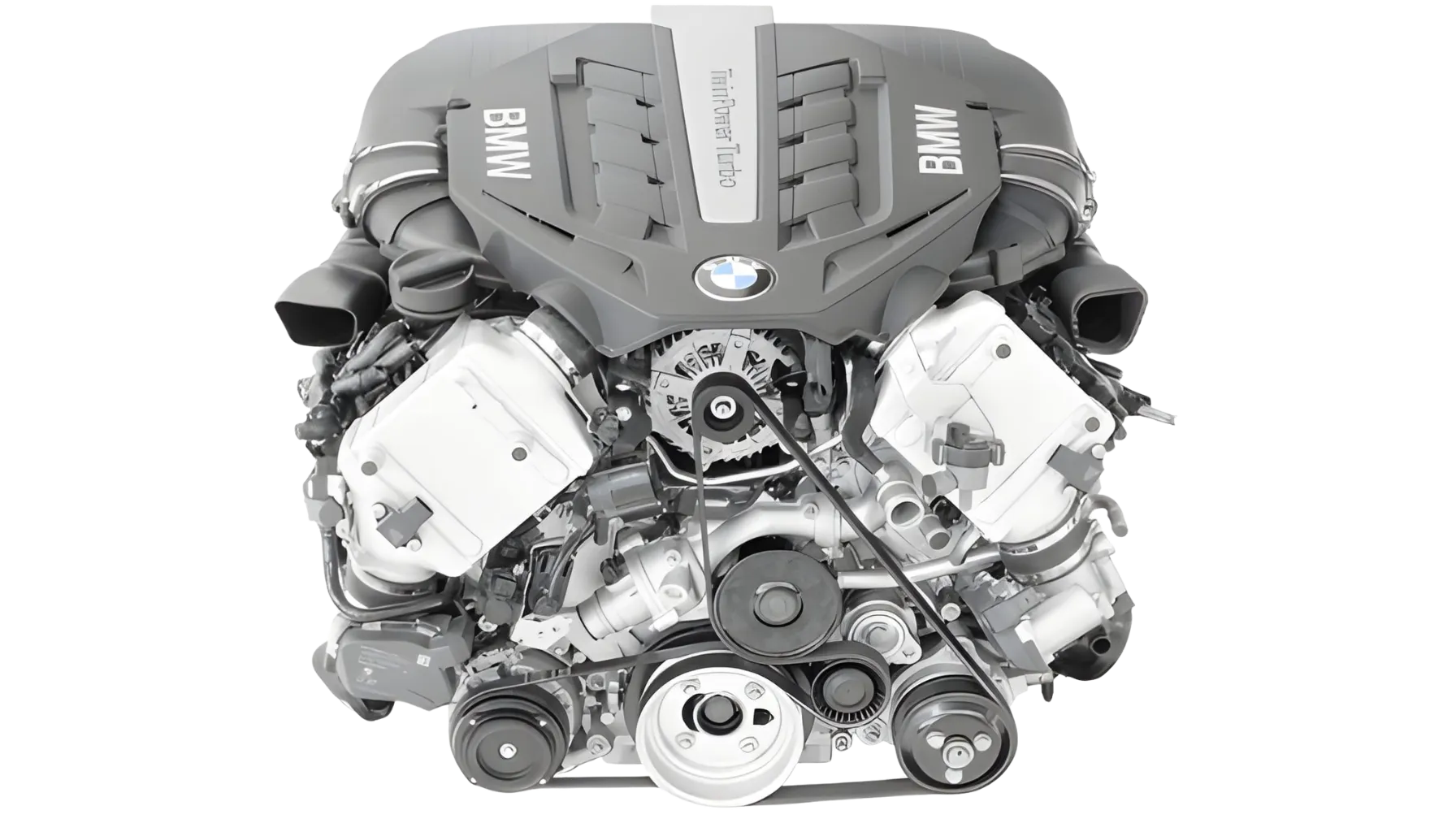
Modern European engines rely on a network of sensors that continuously adjust the air-fuel mixture, ignition timing, and emissions systems. These include the oxygen sensor, mass air flow (MAF) sensor, throttle position sensor, and many others.
When one of these components begins to fail, the engine control unit (ECU) compensates — often by running the engine rich (too much fuel). The result? Increased consumption, sluggish performance, and sometimes black exhaust smoke.
Common Causes of Sudden Fuel Increases

A dirty MAF sensor can’t accurately measure incoming air. The ECU compensates by increasing fuel delivery, thinking less air is entering the engine.
Professional cleaning or replacement is a quick, cost-effective fix.
European cars like Audis and BMWs depend on precise ignition timing. Worn plugs or faulty coil packs lead to incomplete combustion — wasting fuel and lowering power output.
Even though this seems unrelated, underinflated tyres or misaligned wheels increase rolling resistance. Your engine must work harder to move the car, which means more fuel is burned.
Tip: Visit Karl Knudsen Automotive for tyres Chatswood NSW inspections — part of every comprehensive service.
For diesel European models, the DPF periodically burns off soot in a process called regeneration. If the car doesn’t reach the proper temperature (common with short trips), the DPF can trigger extra fuel injections to initiate the process more often — wasting fuel.

The Sydney Factor: Local Driving Conditions Affect Efficiency
Stop-Start Traffic in Chatswood and the North Shore
Sydney’s stop-start traffic — particularly around Chatswood, North Sydney, and the Pacific Highway — magnifies fuel efficiency issues.
Engines rarely reach optimal operating temperature, causing sensors to overcompensate and fuel trims to increase.
Short Trips and Cold Engines
Short commutes prevent full combustion cycles, leading to carbon buildup and higher fuel consumption. If your daily drive is under 10 minutes, it mimics heavy driving conditions even though mileage may appear light.
Diagnosing the Problem: How Experts Find the Cause
Live Data Diagnostics at Karl Knudsen Automotive
Our European car specialists use manufacturer-level diagnostic tools to monitor real-time sensor data.
We check fuel trim values, exhaust readings, and ignition timing to pinpoint the exact fault — avoiding unnecessary parts replacement.
How Our Team Restores Balance and Efficiency
Once the issue is identified, we perform targeted repairs and recalibrations. Whether it’s a sensor replacement, injector cleaning, or ECU reset, the goal is to restore your vehicle’s designed efficiency — and save you money at the pump.
Preventing Future Fuel Consumption Issues
Regular Maintenance and Sensor Cleaning
Proactive servicing ensures that sensors and injectors remain clean and responsive. Small tune-ups often prevent major problems.
Importance of Tyre Checks for Efficiency
Keeping your tyres properly inflated and aligned can improve fuel economy by up to 10%.
Schedule your tyres Chatswood NSW inspection every six months to keep rolling resistance low.
Choosing a Specialist for European Car Repairs
Generic service centres often lack the diagnostic software required for European vehicles.
At Karl Knudsen Automotive, our technicians are trained in the systems of BMW, Audi, Volkswagen, Mercedes-Benz, and Volvo — offering dealership-level expertise at local rates.
FAQs
Reacting to the signs: what should you do?
A sudden increase in fuel consumption is more than an inconvenience — it’s your car’s way of asking for expert attention.
At Karl Knudsen Automotive in Chatswood, our European car specialists combine advanced diagnostics with decades of experience to restore efficiency, performance, and reliability.
If you’ve noticed your BMW, Audi, Volkswagen, or Mercedes using more fuel than usual, don’t ignore it. Book a diagnostic appointment today and keep your European car running at its peak efficiency.

