

It usually starts with good intentions. The car feels fine. There are no warning lights. Life gets busy and the service reminder quietly ticks over in the background.
For many European car owners, the question is not whether servicing matters, but how much it really matters if everything seems normal. The answer sits somewhere between inconvenience and long term cost, and it depends on what is happening beneath the surface rather than what you can feel from the driver’s seat.
Why European Cars Are Less Forgiving of Missed Services
European cars are engineered with tighter tolerances and more integrated systems than many drivers realise. Fluids, sensors, software and mechanical components all work together within narrow operating ranges.
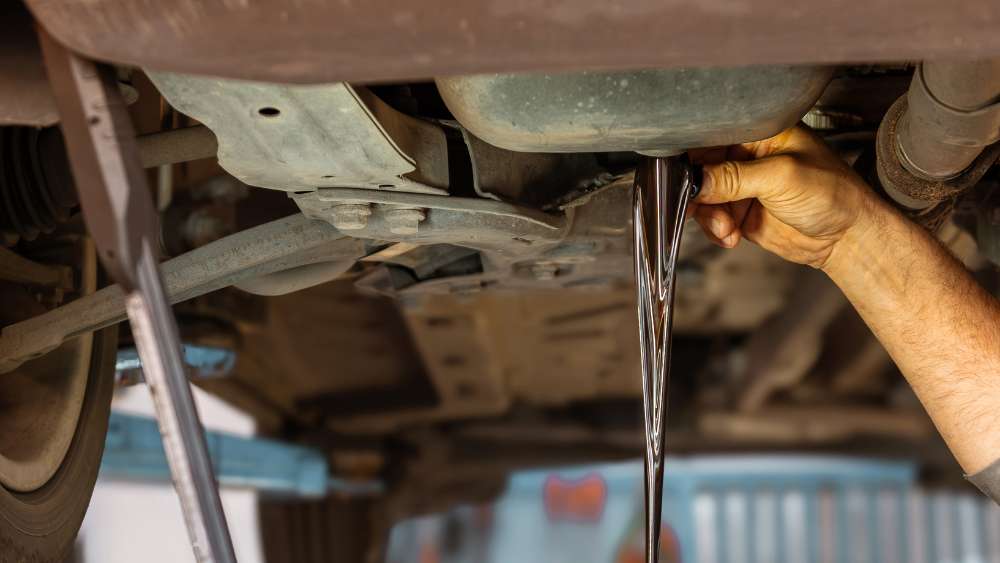
When servicing is delayed, components often continue to function, but not optimally. Oil breaks down. Coolant loses its protective properties. Filters become restricted. Software updates are missed. These changes are gradual, which is why skipping a service rarely causes an immediate problem.
Instead, wear accelerates quietly.
What Usually Happens First When a Service Is Missed
These might include:

Why Problems Often Appear Later and All at Once
One of the reasons skipped servicing becomes expensive is timing. Wear does not progress evenly. Components often cope until they reach a threshold, then fail quickly.
For example:
How Skipped Servicing Affects Diagnostics
This can lead to:

Why Skipping One Service Is Different From Skipping Several Services
Missing a single service interval does not guarantee damage. What matters more is pattern and duration.
Occasional delays may have little impact if the car is otherwise well maintained. Repeatedly skipping services, stretching intervals, or ignoring reminders over several years increases the likelihood of wear accumulating unnoticed.
European cars tend to tolerate short term delays but respond poorly to long term neglect.
Cost Versus Consequence
Routine servicing is predictable. Repairs caused by wear and secondary damage are not.
Common examples include:

Why Cars Can Feel Fine Until They Don’t
One of the most misleading aspects of skipped servicing is how long a car can feel normal.
European vehicles are designed to maintain performance even as efficiency declines. That engineering strength can mask underlying wear until a threshold is reached.
By the time symptoms are obvious, multiple systems may already be affected.
When Does Skipping a Car Service Become a Risk?

A Practical Way to Think About Servicing
Servicing is less about ticking a box and more about maintaining balance. Fluids, software, mechanical components and inspections work together to keep systems operating within their designed range.
Skipping a service rarely causes immediate failure, but it increases the chance that problems will arrive together and cost more to resolve.
FAQs About Skipping Servicing on European Cars
A car can feel fine even as wear accumulates. Servicing is designed to address what you cannot feel yet.

