

The car is new, the warranty paperwork is thick, and the message is often implied rather than stated outright: if you want to stay protected, you need to keep coming back here.
In New South Wales, that belief is widespread. In most cases, it’s also wrong.
Australian Consumer Law (ACL) gives car owners far more freedom over where and how their vehicles are serviced than many people realise. Understanding those rights can make a real difference to long-term ownership costs, confidence, and control.
The Law: Servicing Rights for Car Manufacturer’s Warranty
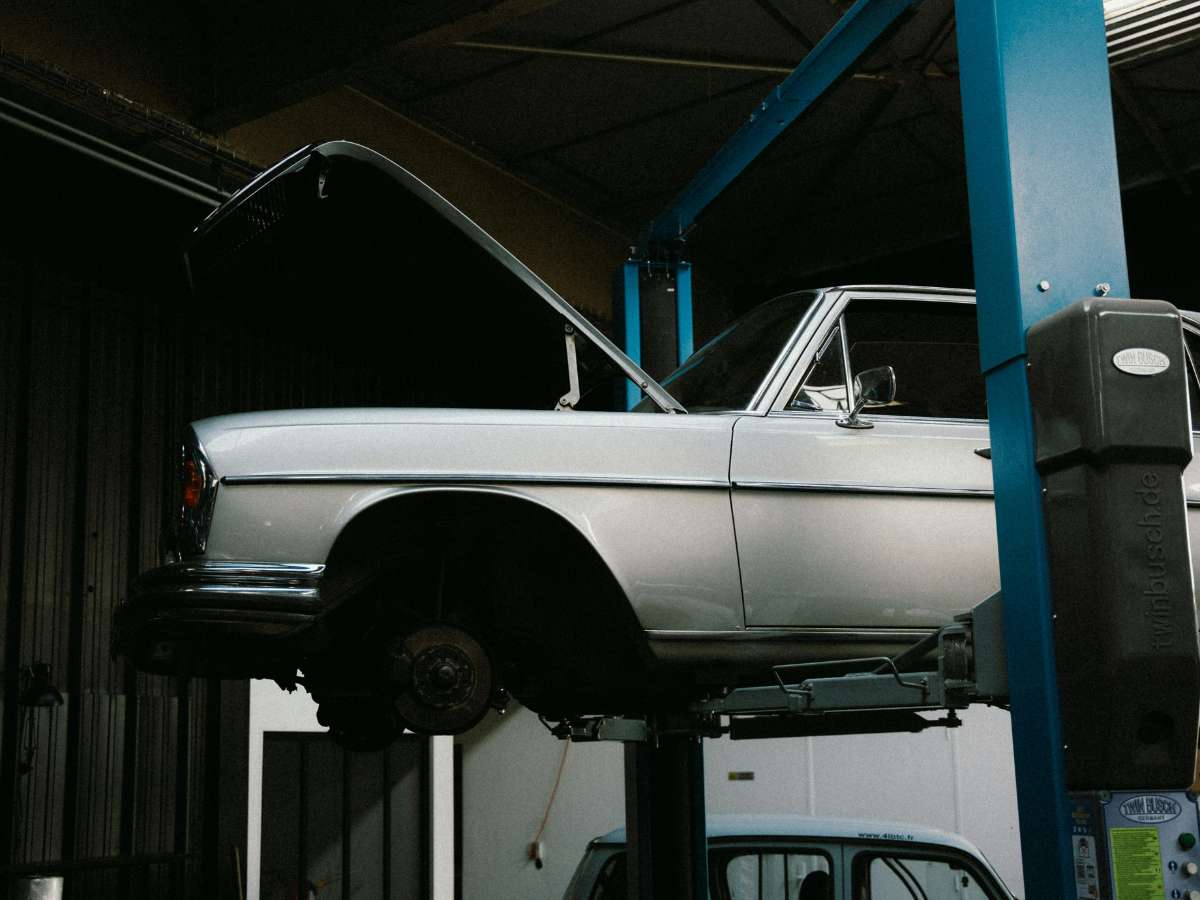
You don’t have to service your car at a dealership
In NSW, you do not have to have your routine servicing done at the dealership you bought the vehicle from.
NSW Government guidance is clear: any licensed repairer can do the service as long as it is completed in line with the manufacturer’s standards.
A manufacturer or dealer should not refuse a claim just because you used an independent workshop. However, they may dispute a specific claim if they can show the fault was caused by things like skipped servicing, incorrect fluids, unsuitable parts, or poor workmanship (in other words: not the location of the service, but the standard of the work).
Warranty protection vs ACL consumer guarantees (what to know)
It’s common to use “warranty” as a catch-all. In practice, there are two layers:
- Manufacturer’s warranty (a voluntary promise with conditions)
- ACL consumer guarantees (automatic legal rights that can’t be signed away)
NSW Government guidance explains that warranties are based on consumer guarantees under ACL, and additional dealer guarantees may apply under NSW legislation for vehicles bought from licensed dealers.
What matters for staying protected
Protection isn’t about where a car is serviced. It’s about how it’s serviced, and whether you can prove it.
To reduce the risk of a warranty dispute, servicing should:
Tip: Keep your invoices and service records together. If you ever need to support a claim, documentation is usually the difference between a quick outcome and a drawn-out argument.
“Logbook servicing” doesn’t mean “dealer-only”
“Logbook servicing” simply means servicing the car according to the manufacturer’s handbook schedule and requirements. It does not automatically mean dealership servicing.
NSW Government guidance supports that licensed repairers can service a vehicle as long as the work aligns with manufacturer standards.
When an authorised dealer/network may be needed
At the same time, access to manufacturer service information is no longer “dealer-only.” The ACCC runs the Motor Vehicle Information Scheme (MVIS), which requires manufacturers to make service and repair information available for purchase by independent repairers and other eligible users. This can include information and tools needed for computerised systems, and in some cases software updates used to fit or connect replacement parts. In practice, capability still varies depending on the vehicle, the job, and the equipment available. (accc.gov.au)
If a claim is denied because you serviced elsewhere
An informed choice, not a forced one
Dealer servicing isn’t inherently wrong. For owners early in ownership it can be a convenient and sensible option.
But in NSW, routine servicing choice should remain exactly that: a choice.
If servicing is completed to the manufacturer’s standards by a licensed repairer and properly documented, consumers generally remain protected. Independent repair options are supported by NSW guidance and the ACCC’s MVIS framework.
Further Reading
FAQ about servicing rights and car dealerships
Generally, no. In NSW, any licensed repairer can service your car as long as the service is in line with the manufacturer’s standards and properly recorded.
A claim shouldn’t be rejected solely because you serviced outside the dealer network. But a manufacturer may dispute a particular claim if it can show the fault was caused by poor workmanship, incorrect parts/fluids, or missed maintenance.
Not always. Under the ACCC’s MVIS, repairers can access service/repair information and software updates that help connect new parts, plus other codes/information for computerised systems. Some advanced programming/calibration tasks may still vary by brand and equipment.
If you can’t resolve it directly, NSW Fair Trading offers a free dispute resolution service, and you can also lodge a complaint via Service NSW.

