
These are the issues we see most often across the BMW range at our Chatswood workshop.
Why do BMW timing chains fail?
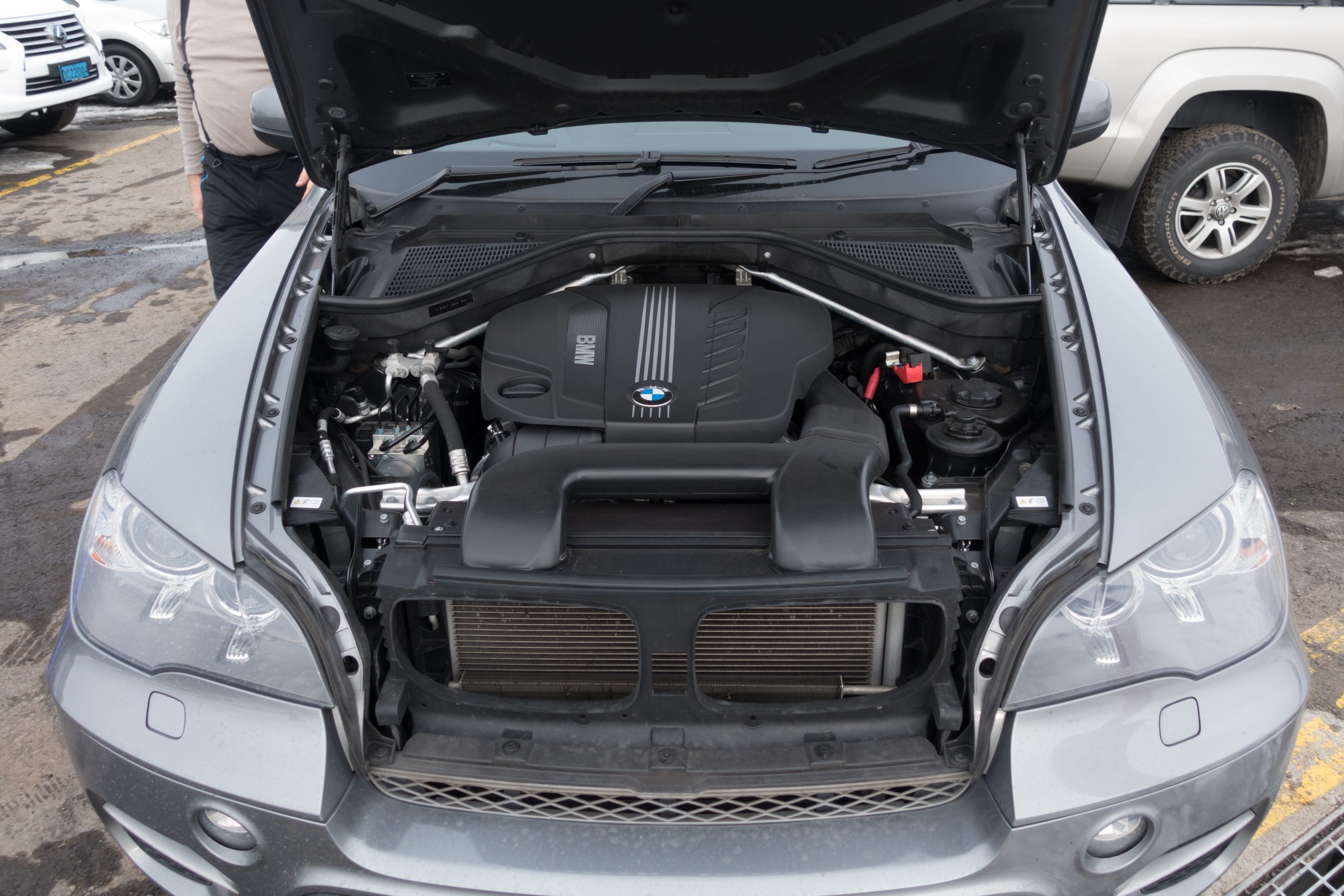
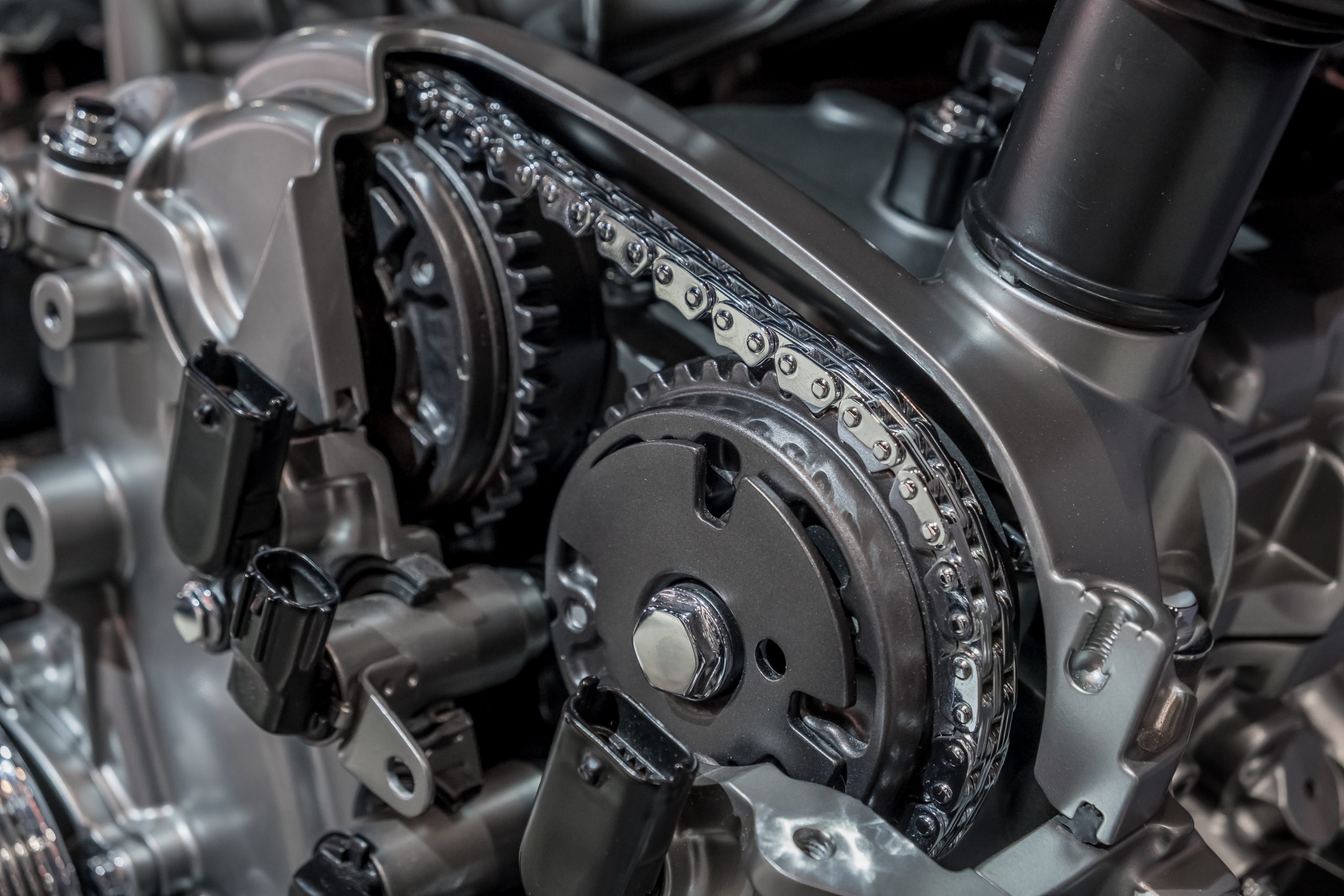
BMW’s four-cylinder N20 engine, found in the 3 Series (328i, 320i), X1, and X3 from 2011 to 2015, has a well-documented timing chain problem. The plastic guides that keep the chain aligned become brittle with age and heat cycling. Once they crack or break apart, the chain loses tension and the engine’s internal timing shifts.
The symptoms often start subtly. A metallic rattle or high-pitched whine from the front of the engine, particularly between 1,500 and 2,500 rpm, is the classic first sign. A check engine light may follow. If the problem goes unaddressed, the chain can skip or break entirely. Because the N20 is an interference engine, that means pistons and valves can collide, causing catastrophic damage.
BMW revised the guide material from around 2015, so later N20 engines and the replacement B48 are far less prone to this. The six-cylinder N47 diesel also had timing chain issues, made harder to detect by the chain’s position at the rear of the engine.
If you own a pre-2015 BMW with an N20, preventative replacement of the chain, guides, and tensioner is worth considering even without symptoms. Timing chain replacement typically costs $1,200 to $2,000 in Australia for straightforward cases, but if there’s secondary engine damage, that figure can climb past $3,500.
How long do BMW electric water pumps last?
Most modern BMWs use an electric water pump rather than a traditional belt-driven unit. The electric design gives the engine computer more precise control over coolant flow, but the trade-off is a finite lifespan. BMW electric water pumps typically fail between 100,000 and 160,000 km.
Warning signs include the engine running warmer than usual, the temperature gauge creeping up, or the radiator fan running at full speed the moment you start the car. Coolant leaks around the pump housing are another clue. In some cases, the failure comes with little notice.
No working pump means no coolant circulation, which means car running hot. A blown head gasket or warped cylinder head from overheating will cost far more than the pump itself ever would.
Most specialists replace the water pump and thermostat together, because they sit in the same area and tend to fail around the same age. In Australia, expect to pay $500 to $1,200 depending on the model and parts choice.
What causes oil leaks in BMWs?
The valve cover gasket seals the top of the engine. On BMW’s popular inline-six engines (N52, N54, N55), the valve cover itself is made of plastic and can warp or crack from years of heat exposure. The rubber gasket hardens over time and stops sealing. You’ll notice a burning oil smell, particularly after stop-start driving. In more advanced cases, oil seeps into the spark plug wells and causes misfires.
The oil filter housing gasket is the other common offender, particularly on the N52 and N54. When it fails, oil drips onto hot exhaust components and produces that unmistakable burning smell that gets drawn into the cabin.
Neither leak is an emergency if caught early. But leaving them unattended leads to contaminated drive belts, degraded engine mounts, and bigger bills down the track.
Why do BMW cooling systems use so much plastic?
Beyond the water pump, BMW cooling systems rely heavily on plastic parts: the expansion tank, radiator end tanks, thermostat housing, and various coolant connectors. Plastic keeps weight and manufacturing costs down, but it becomes brittle with age and heat.
Sydney summers are hard on these components. Repeated heating and cooling weakens plastic faster than most owners expect, and failures tend to be sudden. A cracked expansion tank can dump coolant in minutes, leaving you stranded with an overheating engine.
Most BMW specialists recommend replacing the expansion tank proactively every 60,000 to 80,000 km. When one plastic component fails, there’s a good argument for replacing the others at the same time. The parts are relatively affordable, and bundling them saves on labour compared to coming back for each one individually.
What is VANOS and why does it cause problems?
The VANOS solenoids – the electromechanical components that control the system – wear with age and can become clogged with oil deposits. Symptoms include rough idling on cold starts, a noticeable dip in mid-range power, and a check engine light.
The good news is that VANOS work is one of the more affordable BMW repairs. Cleaning the solenoids and replacing the O-ring seals often resolves the problem entirely. Regular oil changes with the correct specification oil are the best prevention.
| Problem | Models most affected | Key warning sign | Typical cost (AUD) |
|---|---|---|---|
| Timing chain stretch | 3 Series, X1, X3 (N20 engine, 2011–2015) | Metallic rattle or whine at 1,500–2,500 rpm | $1,200–$2,000 (up to $3,500+ with engine damage) |
| Electric water pump failure | Most models from mid-2000s onward | Temperature gauge rising, fan running at full speed on startup | $500–$1,200 (pump and thermostat together) |
| Oil leaks (gaskets and seals) | 3 Series, 5 Series, X5 (N52, N54, N55 inline-six) | Burning oil smell, oil stains on engine or driveway | $300–$800 per gasket depending on location |
| Cooling system plastic failures | Most models over 5–7 years old | Sudden coolant loss, overheating warning, visible cracks | $150–$350 per component (expansion tank, thermostat housing) |
| VANOS solenoid wear | Most models with VANOS (widespread) | Rough cold-start idle, loss of mid-range power, check engine light | $200–$500 (cleaning or solenoid replacement) |
What ties these problems together
There’s a pattern here. Most of these issues are age and mileage-related rather than fundamental design flaws. They’re materials wearing out at known intervals. The BMWs we see struggling are almost always the ones that have missed service windows or gone too long between oil changes.
Short-trip driving accelerates the process. If most of your driving is stop-start through Chatswood, quick runs down the Pacific Highway to the city, or school drop-offs through Lane Cove, the engine spends more time in thermal cycling and less time at its ideal operating temperature. That’s harder on gaskets, plastic components, and oil-dependent systems like VANOS than steady highway driving would be.
The most cost-effective approach is to stay ahead of these issues with a specialist who knows the BMW platform. A European car mechanic will check for early signs of these common failures during routine servicing, often catching them before you notice any symptoms yourself.
If your BMW is due for a service, or you’ve noticed any of the symptoms above, book a diagnostic check at our Chatswood workshop. We’ll give you a clear picture of where things stand and what needs attention.
Frequently asked questions
The most common BMW problems are timing chain stretch and guide failure (especially in pre-2015 N20 engines), electric water pump failure between 100,000 and 160,000 km, oil leaks from the valve cover gasket and oil filter housing gasket, cracked plastic cooling system components like the expansion tank, and worn VANOS solenoids. Most of these are age and mileage-related rather than fundamental design faults.
BMW timing chain replacement typically costs $1,200 to $2,000 in Australia when addressed before secondary damage occurs. If the chain has already caused engine damage, the total repair cost can climb past $3,500. The N20 four-cylinder engine in 2011–2015 models is the most commonly affected.
BMW electric water pumps typically last between 100,000 and 160,000 km. They can fail with little warning, so many specialists recommend proactive replacement when the car reaches this mileage range. Replacing the water pump and thermostat together costs $500 to $1,200 in Australia depending on the model.
A burning oil smell in a BMW is most commonly caused by a leaking valve cover gasket or oil filter housing gasket. Oil drips onto hot exhaust components and produces a strong smell that can be drawn into the cabin. The valve cover gasket tends to harden and crack with age, especially on inline-six engines like the N52, N54, and N55.
BMWs cost more to maintain than most Japanese or Korean cars because parts are more expensive and some repairs are more labour-intensive. However, most common BMW problems are predictable and can be managed cost-effectively with regular servicing at a European car specialist. Catching issues early keeps repair costs significantly lower than waiting for a breakdown.

