
You’re driving along Warringah Road, and a symbol you’ve never seen before lights up on your dashboard. It’s amber. Or maybe it’s red. You don’t know what it means, but you know it wasn’t there five minutes ago.
Before you panic, here’s the good news: most dashboard warning lights follow a simple colour-coded system. And because Audi and VW are built on the same platform (Volkswagen Group, or VAG), they share many of the same warning lights and systems. If you drive either brand, this guide covers what you’re most likely to see and what to do about it.
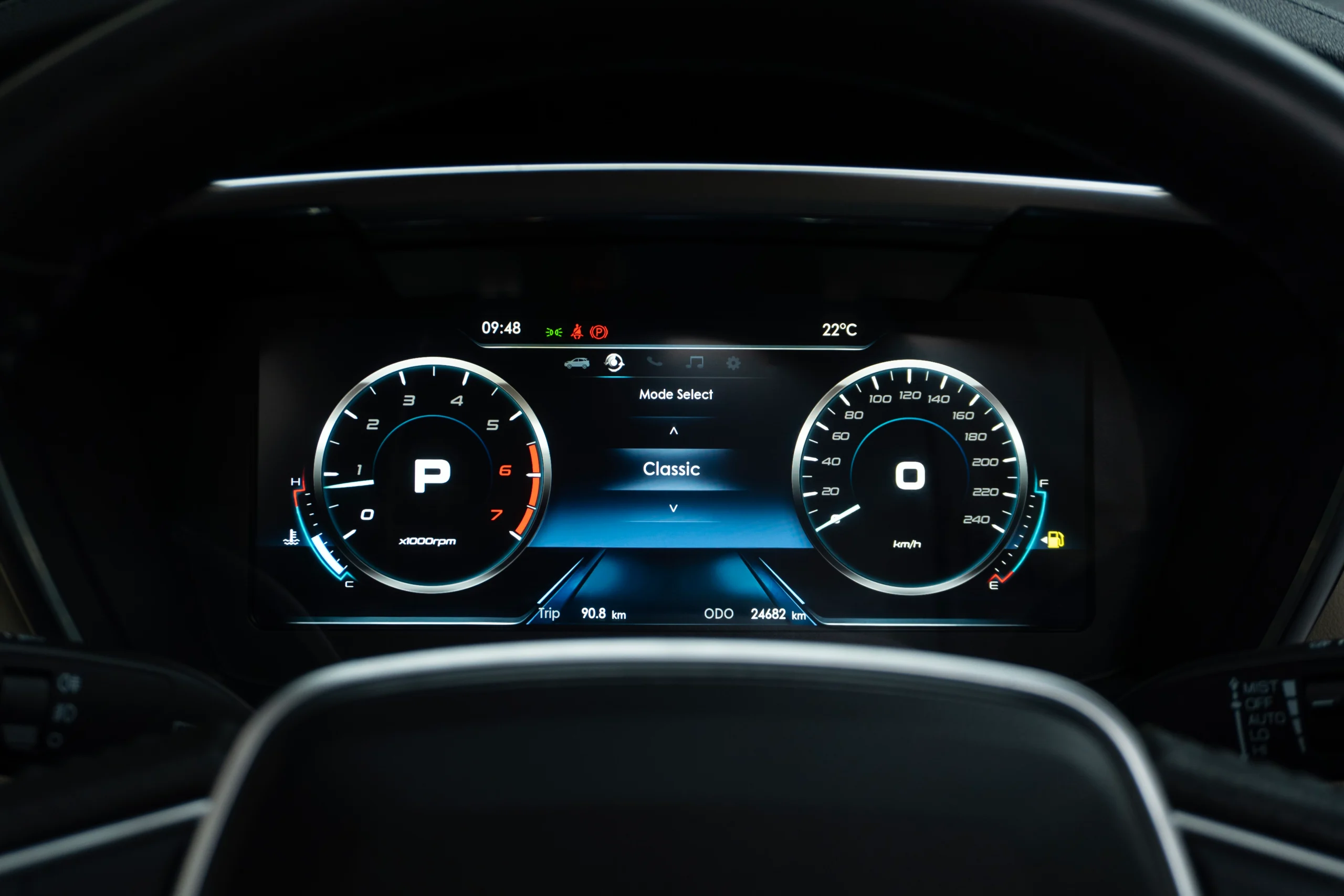
The colour code: red, amber, and green
Every warning light on your Audi or VW dashboard falls into one of three colour categories. Think of them like traffic lights:
- Red means stop. Something is seriously wrong. Pull over safely and call your mechanic.
- Amber or yellow means act soon. Something needs attention, but it’s not an emergency. Book a service in the next few days.
- Green, blue, or white means information only. A system is active and working as it should. No action needed.
Quick reference table
| Warning light | Colour | What it means | How urgent? |
|---|---|---|---|
| Engine oil pressure (oil can) | Red | Oil pressure dangerously low | Stop immediately |
| Engine temperature (thermometer) | Red | Engine overheating | Stop immediately |
| Brake system (! in circle) | Red | Low brake fluid or brake fault | Stop and check |
| Steering lock (steering wheel + !) | Red | Electronic steering fault | Stop immediately |
| EPC (letters “EPC”) | Amber | Throttle or engine management fault | Book within days |
| Engine management (engine outline) | Amber | Emissions, sensor, or misfire fault | Book soon (stop if flashing) |
| TPMS (! in tyre shape) | Amber | Low tyre pressure | Check and inflate |
| DPF (box with dots) | Amber | Diesel particulate filter clogged | Drive at highway speed 20–30 min |
| ABS (letters “ABS”) | Amber | Anti-lock braking fault | Book soon |
| Service due (spanner) | Amber | Scheduled service reminder | Book your next service |
| Glow plug (coiled wire) | Amber | Diesel preheat or glow plug fault | Normal at startup; book if flashing |
Red warning lights: stop and get help
Engine oil pressure (oil can symbol): Oil pressure has dropped to a dangerous level. Without adequate lubrication, engine internals can suffer serious damage within minutes. Pull over, turn off the engine, and check your oil level. If the level is fine and the light stays on when you restart, have the car towed rather than driving it.
Engine temperature (thermometer in liquid): Your engine is overheating. This can happen in heavy traffic on a hot day, but it can also signal a coolant leak, a failed water pump, or a stuck thermostat. Pull over, let the engine cool, and check your coolant level. Don’t open the radiator cap while the engine is hot. If the light returns after topping up, there’s a deeper issue.
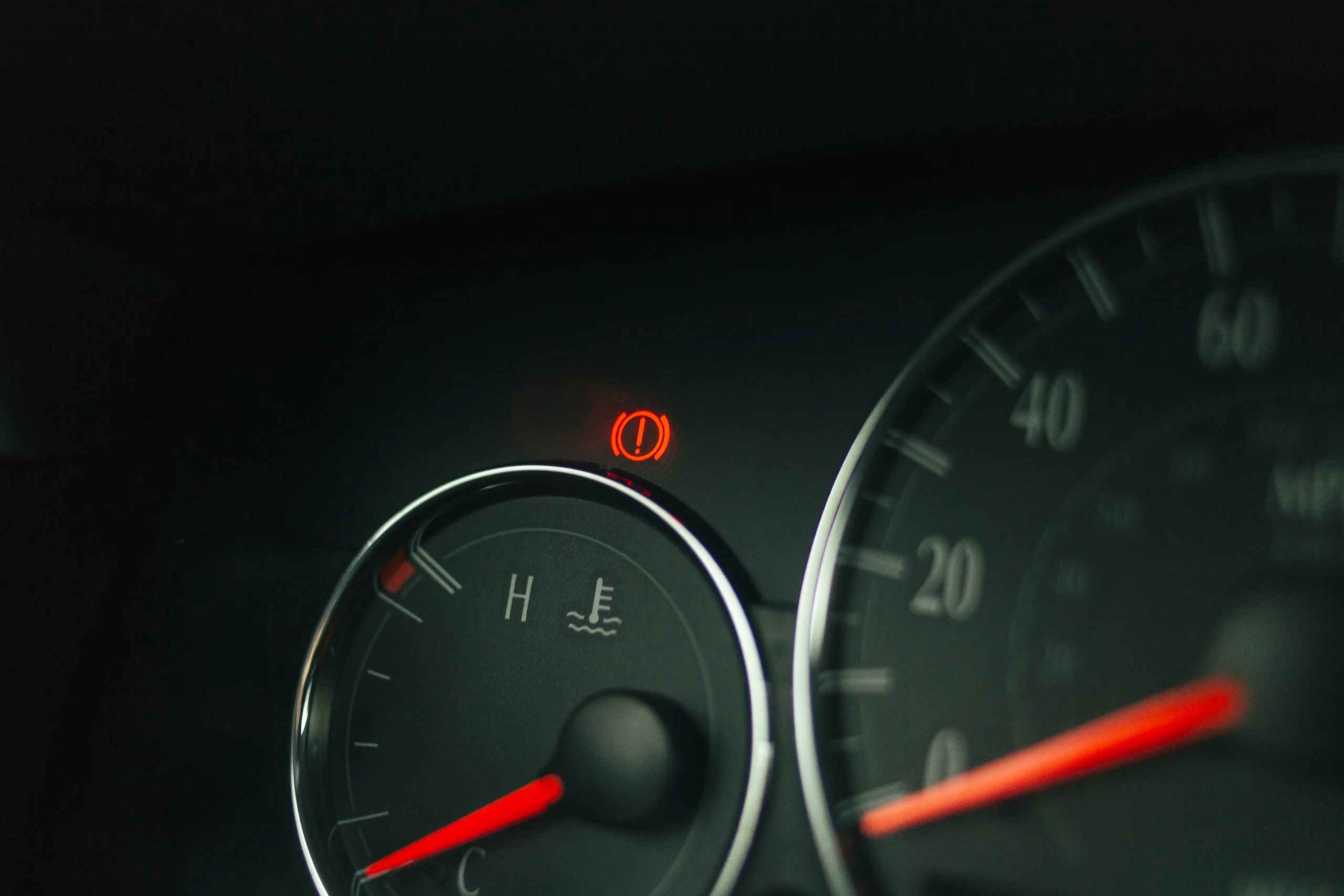
Brake system (exclamation mark in a circle): This can mean your brake fluid is low, there’s a fault in the braking system, or the handbrake is still engaged. Check the handbrake first. If it’s off and the light stays on, your braking performance may be compromised. Drive carefully to the nearest mechanic or call for assistance.
Steering lock (steering wheel with exclamation mark): The electronic steering column lock has malfunctioned. If it’s flashing, the car may not start. If it comes on while driving, the power steering may cut out, making the wheel very heavy. Get it checked immediately.
Amber warning lights: book a service soon
Amber lights aren’t emergencies, but they shouldn’t be ignored for weeks either.
Green, blue, and white lights: just information
These don’t indicate a problem. They’re telling you a system is active.
Audi virtual cockpit vs standard VW instrument cluster
Newer Audi models use the virtual cockpit, a fully digital screen replacing traditional gauges. Warning lights can appear with text messages explaining the issue, which is helpful. VW models generally use a mix of physical and digital displays depending on the model year.
The warning lights themselves mean the same things across both brands. The virtual cockpit just gives you more detail alongside the symbol.
When to keep driving vs when to stop
| Situation | What to do |
|---|---|
| Red light | Stop as soon as it’s safe. Turn the engine off and call your mechanic. |
| Amber light | Drive carefully. Book a service within the next few days. |
| Flashing light (any colour) | Treat as urgent. A flashing light means the problem is active right now. |
| Multiple lights at once | Pull over. Several lights together can indicate an electrical fault or serious system failure. |
What does a diagnostic scan involve?
Many of these warning lights can only be properly diagnosed with a scan tool that reads fault codes from your car’s computer. For Audi and VW, this means a VAG-specific diagnostic tool that accesses the deeper systems beyond what a generic scanner can read.
A diagnostic scan typically costs $80 to $150 at an independent specialist. It identifies which system triggered the warning, what the fault code is, and where to start looking. Without it, you’re guessing.
Frequently asked questions
Some lights reset automatically once the issue is resolved. The TPMS light, for example, clears after you correct tyre pressure and drive for a few minutes. But most warning lights – especially engine management and EPC – need to be cleared with a diagnostic tool after the fault is fixed. Disconnecting the battery to reset lights isn’t recommended because it clears the stored fault codes your mechanic needs for diagnosis.
Intermittent warning lights usually mean the fault is real but not constant. A sensor might be failing, or a connection might be loose. Even if the light goes off, the fault code is stored in the car’s computer. It’s still worth having it scanned so the issue can be caught early.
Most of them, yes. Both brands use the same VAG platform, so the engine management, EPC, ABS, TPMS, and most other warning systems are shared. You’ll see minor differences in how they display (especially with Audi’s virtual cockpit), but the symbols and their meanings are largely identical.
Under Australian Consumer Law, your warranty can’t be voided simply for servicing at an independent specialist instead of a dealer. However, if you continue driving with a known warning light and it causes further damage, the manufacturer could argue the additional damage isn’t covered. The safest approach is to get any warning light diagnosed promptly, regardless of where you have it serviced.
Your warning lights run a self-test every time you turn the ignition on. You’ll see them all light up briefly and then go out. If any light stays on after this startup sequence, it needs attention. There’s no separate maintenance schedule for the lights themselves.

