
That car is not unusual. It is the Australian average.


The numbers behind the gut feeling
That is not a blip. It is a structural shift in how Australians own and use their cars, driven by the combined pressure of rising living costs, eye-watering new car prices, and a post-pandemic supply squeeze that made trading up harder and holding on easier.
The practical result is a national fleet where millions of vehicles have already sailed past their factory warranty, past their capped-price servicing window, and into the phase of ownership where the manufacturer's involvement effectively ends. But the car's need for attentive maintenance is only increasing.
What actually happens to a European car after a decade?
The issue is material degradation. Rubber and plastic components do not care how far the car has travelled. They care how long they have been alive.
Component | What happens with age | Why a standard service can miss it |
Valve cover gaskets | Rubber hardens and shrinks, creating oil seeps that worsen over months | Often only visible from underneath or with covers removed — not part of a routine inspection |
Suspension bushings | Rubber cracks and loses elasticity, affecting handling and tyre wear | Deterioration is gradual; the car still "drives fine" until it suddenly does not |
Plastic cooling pipes | Become brittle with heat cycling over years, prone to cracking without warning | Visually intact until failure; rarely pressure-tested during a logbook service |
Intake and vacuum hoses | Rubber perishes internally, causing air leaks that trigger fault codes | Faults can appear intermittent, leading to repeated diagnostic charges |
A technician who sees dozens of the same model every month knows where these failures develop. A service template does not.

Logbook servicing still matters but it is not the whole story
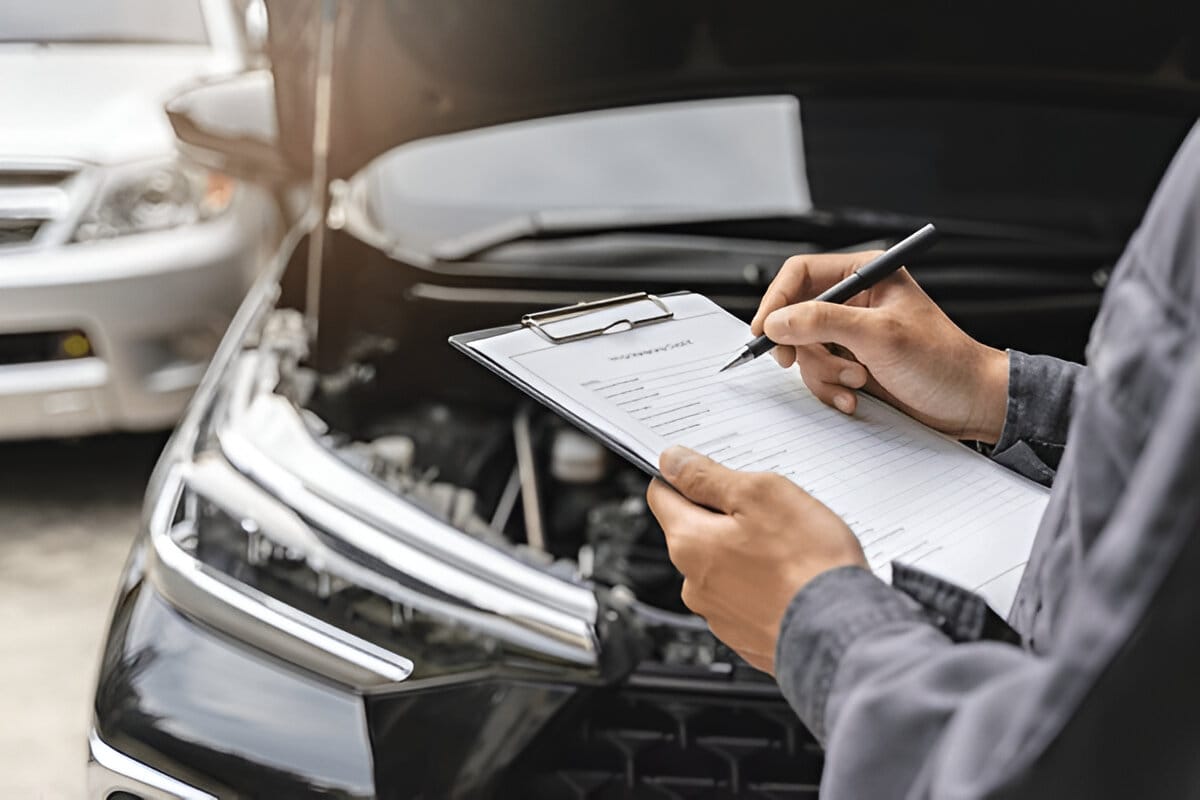
Where logbook servicing falls short on an older car is in scope. The schedule was written for a vehicle in its early years. It assumes components are relatively new. It does not account for a cooling system where every plastic connector is a decade old, or suspension rubber that has endured ten Melbourne winters and ten Melbourne summers, which is essentially twenty different climates.
For owners of ageing European cars, the most effective approach combines both:

Planned replacement of wear items before they fail, because a cracked cooling pipe at 60 km/h on the Monash is a tow truck and an engine-damage risk, while the same pipe replaced during a service is a line item on an invoice.
Detailed records of what was found, what was done, and what is being monitored, so every service builds on the last one rather than starting from scratch.
Why this matters more than it used to
A decade ago, the average car on Australian roads was younger, and the assumption baked into the servicing industry was that most vehicles would cycle through dealer networks, trade-in lots and second owners within seven or eight years. The infrastructure of dealer service departments, capped-price programs, and templated maintenance schedules was built around that cycle.
The cycle has stretched. The cars have stayed. And the servicing model has not entirely caught up.
For owners of European vehicles that are now deep into their second decade of life, the difference between a workshop that follows a checklist and a workshop that understands the car sitting on the hoist is not academic. It is the difference between replacing a brittle coolant pipe for a few hundred dollars during a routine service and standing on the hard shoulder of the Eastern Freeway with steam pouring from under the bonnet and a repair bill that starts with a comma.
The ownership mindset that keeps older cars reliable
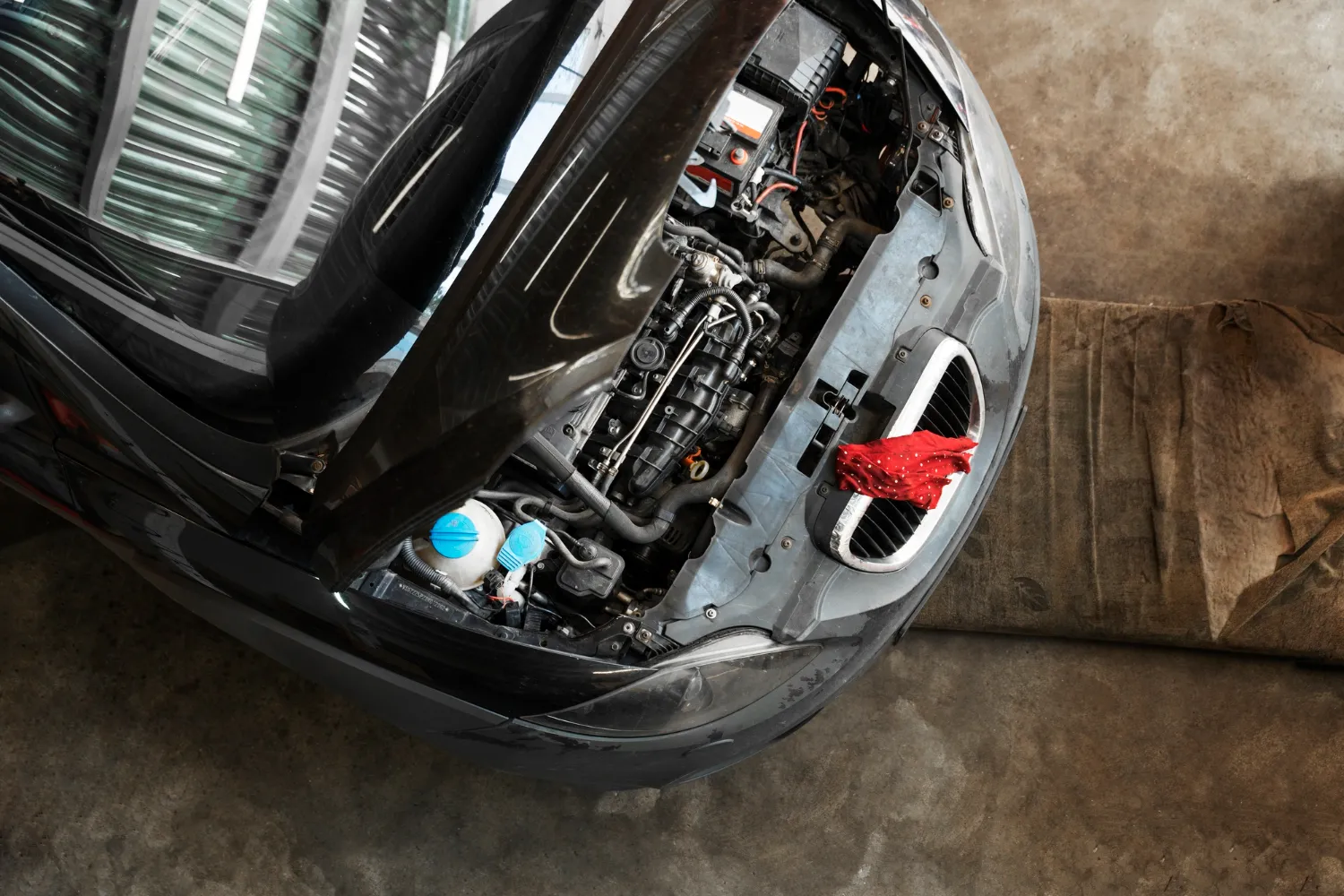
That means finding a workshop where the technicians know the car, know its history, and know the difference between a service item that is due and a component that is about to let go. It means treating servicing as an ongoing conversation about the car's condition rather than a twice-yearly transaction.
With three-quarters of the national fleet now past the six-year mark, that approach is no longer niche. It is how most car ownership in Australia works. The only question is whether the servicing keeps pace with the car.
Sources: Bureau of Infrastructure and Transport Research Economics (BITRE), Road Vehicles Australia (2024 & 2025); IBISWorld, Motor Vehicle Maintenance and Repair in Australia (2024–25); Frost & Sullivan, Automotive Aftermarket Analysis.
About the publisher: Karl Knudsen is a respected and certified mechanical workshop in Chatswood, Sydney, with over 20 years of experience in servicing vehicles. They specialise all makes and models of European vehicles.

