
What to Do When Your Car Starts Running Hot 

Most drivers notice it gradually.

The temperature gauge sits a little higher than normal. The cooling fan seems louder than usual. The air coming from the vents feels warmer. Sometimes a warning message appears while sitting in traffic or slowing down after a long drive.

A car that starts running hot is not always about to break down, but it is a sign that something in the cooling system is no longer working as intended. Paying attention early can prevent minor issues from becoming serious and expensive repairs.

What “Running Hot” Actually Means

Every engine is designed to operate within a specific temperature range. When the cooling system is doing its job properly, that temperature stays stable even on warm days.

Running hot usually means the engine temperature is climbing above its normal range without reaching full overheating. It often happens intermittently at first, particularly in slow traffic, during hot weather, or after the car has been driven and then stopped.

Early signs commonly include:

The temperature gauge sitting higher than usual
Cooling fans running more often or for longer
A warm or slightly burnt smell after parking
Reduced air conditioning performance
Warning messages that appear briefly and then clear
These signs indicate stress, not something to ignore.

Why Cars Commonly Run Hot in City Driving

City driving places extra strain on the cooling system. When a car is moving slowly or idling, airflow through the radiator is reduced. Heat builds more quickly, and the cooling fans must work harder to compensate.

Over time, this exposes weaknesses in components that may still function under lighter conditions. Factors that often contribute include:
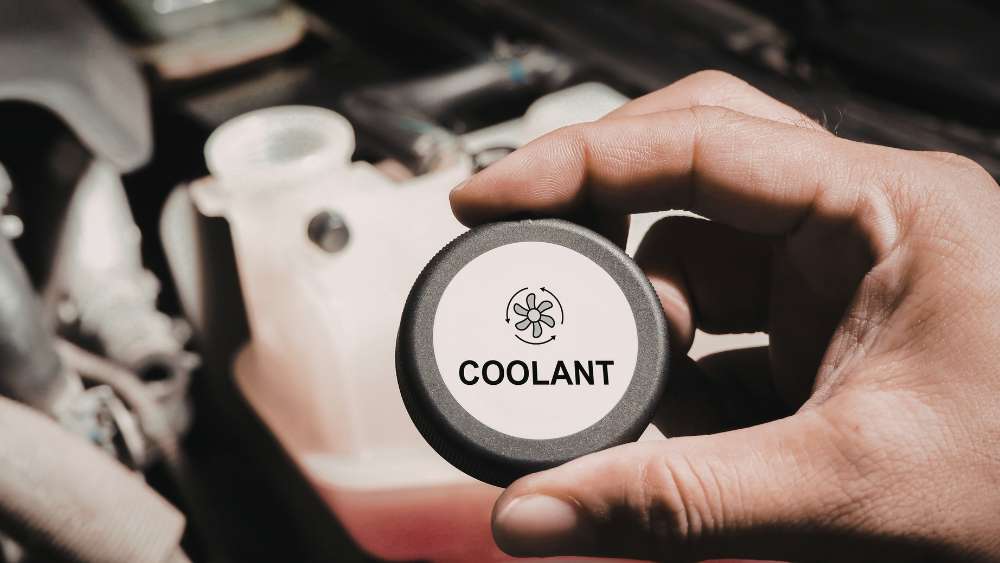
  • Low or degraded coolant
  • Radiator fans that are not operating at full efficiency
  • Blocked radiators or air conditioning condensers
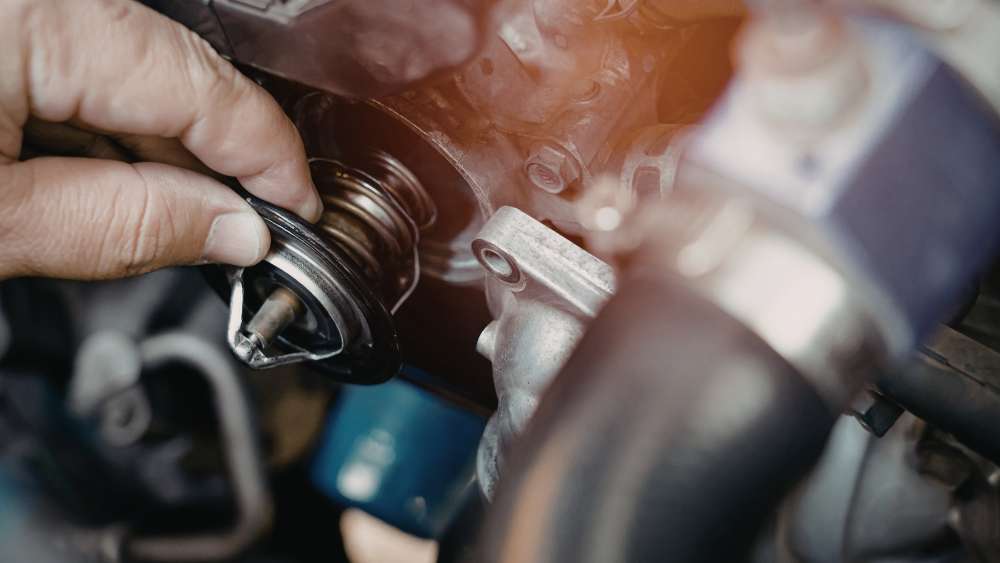
  • Thermostats that are slow to open
  • Water pumps beginning to wear
  • Cooling systems affected by age or high kilometres
Because these issues develop gradually, the problem can appear inconsistent at first.

Why Running Hot Should Be Taken Seriously

Engines are engineered to operate within tight temperature limits. When temperatures rise beyond that range, internal components experience additional stress.

Repeated heat exposure can lead to:

  • Accelerated wear of seals and hoses
  • Coolant leaks
  • Warped components
  • Head gasket failure
  • Electrical faults triggered by excess heat
Modern vehicles, particularly European cars, rely on precise temperature control. Small cooling issues can escalate more quickly than many drivers expect.

What to Do When You Notice the Temperature Rising
If the temperature begins to climb or warning signs appear, a calm and measured response helps reduce risk.
  • Reduce engine load by turning off air conditioning and avoiding hard acceleration
  • Increase airflow if safe to do so by maintaining a steady speed rather than idling
  • Monitor the temperature gauge or warning message closely
  • If the temperature continues rising, plan to stop safely
  • Allow the engine to cool before opening the bonnet
Temporary improvements do not mean the issue has resolved. If it happens more than once, it should be checked.

Why This Is Common in European Cars

European cars are designed with efficiency, performance, and emissions control in mind. Their cooling systems operate within narrower tolerances and rely heavily on sensors, electronic controls, and consistent coolant flow.

As vehicles age or servicing is delayed, the system may still function but lose its ability to manage heat effectively in slow or hot conditions. Many owners first notice issues in traffic rather than at highway speeds for this reason.

Accurate diagnosis matters more than guesswork when dealing with modern cooling systems.

When to Book an Inspection
An inspection is recommended if:
  • The car runs hot more than once
  • A warning message appears and clears
  • Cooling fans sound louder or run constantly
  • Coolant levels drop without an obvious leak
  • Air conditioning performance changes with engine temperature
Early intervention is almost always less costly than repairing heat related engine damage.

Preventing Running Hot Problems

Regular servicing helps identify cooling system issues before they become serious. Important checks include:

Coolant condition and level
Inspection of hoses, seals, and belts
Radiator and fan operation
Temperature sensor data
Early signs of component wear
These checks become increasingly important as a car ages or reaches higher kilometre milestones.

FAQs About Cars Running Hot

Short distances at reduced load may be possible, but continued driving risks engine damage. If the temperature keeps rising, stopping is the safest option.

Slight movement is normal, but the gauge should not climb noticeably higher than usual. Consistent increases indicate a problem.

Higher speeds improve airflow through the radiator. This can temporarily mask cooling system issues that appear in traffic.

Yes. Coolant can be lost through evaporation, small leaks, or pressure related faults that are not always obvious.

Repeated heat stress increases the risk of serious engine damage, even if the problem seems intermittent.

Only if the engine is cool and the correct coolant type is used. Incorrect coolant or improper topping up can cause further problems.

A car that starts running hot is signalling that something has changed. It may not be an emergency at the first occurrence, but it is rarely something that resolves on its own. Addressing the cause early protects the engine, avoids breakdowns, and reduces repair costs.

If you are unsure whether your car’s temperature behaviour is normal, a professional inspection provides clarity and peace of mind.

@ 2026 Karl Knudsen. All Rights Reserved.