
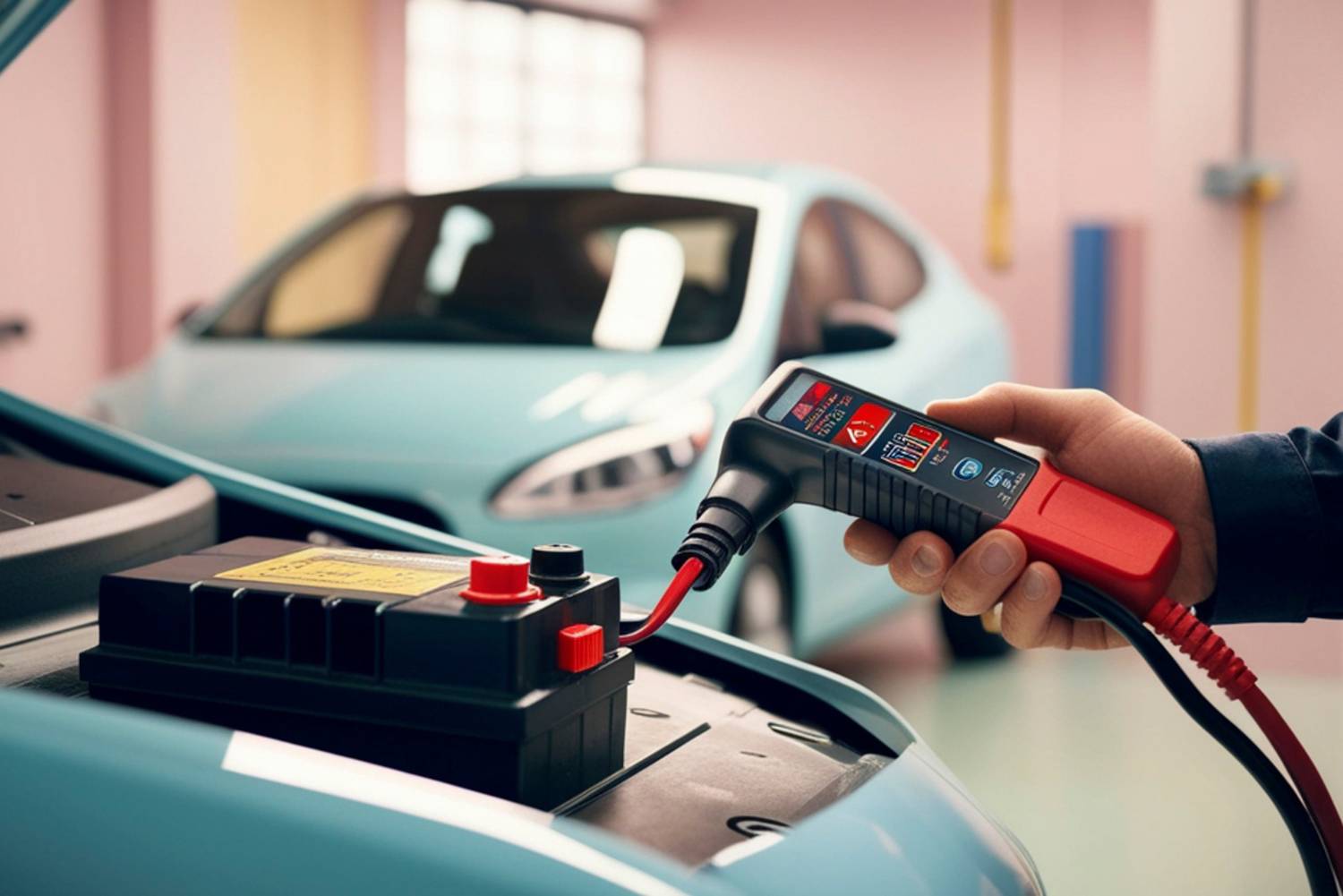
They also prompt a recurring question among Sydney owners: do they develop electrical problems more often in this city’s conditions. There is no authoritative national dataset proving that European cars suffer electrical faults at a higher rate than other vehicles in Australia. However, a combination of climate, electrical load and driving conditions offers clues as to why problems appear more frequently or more noticeably.
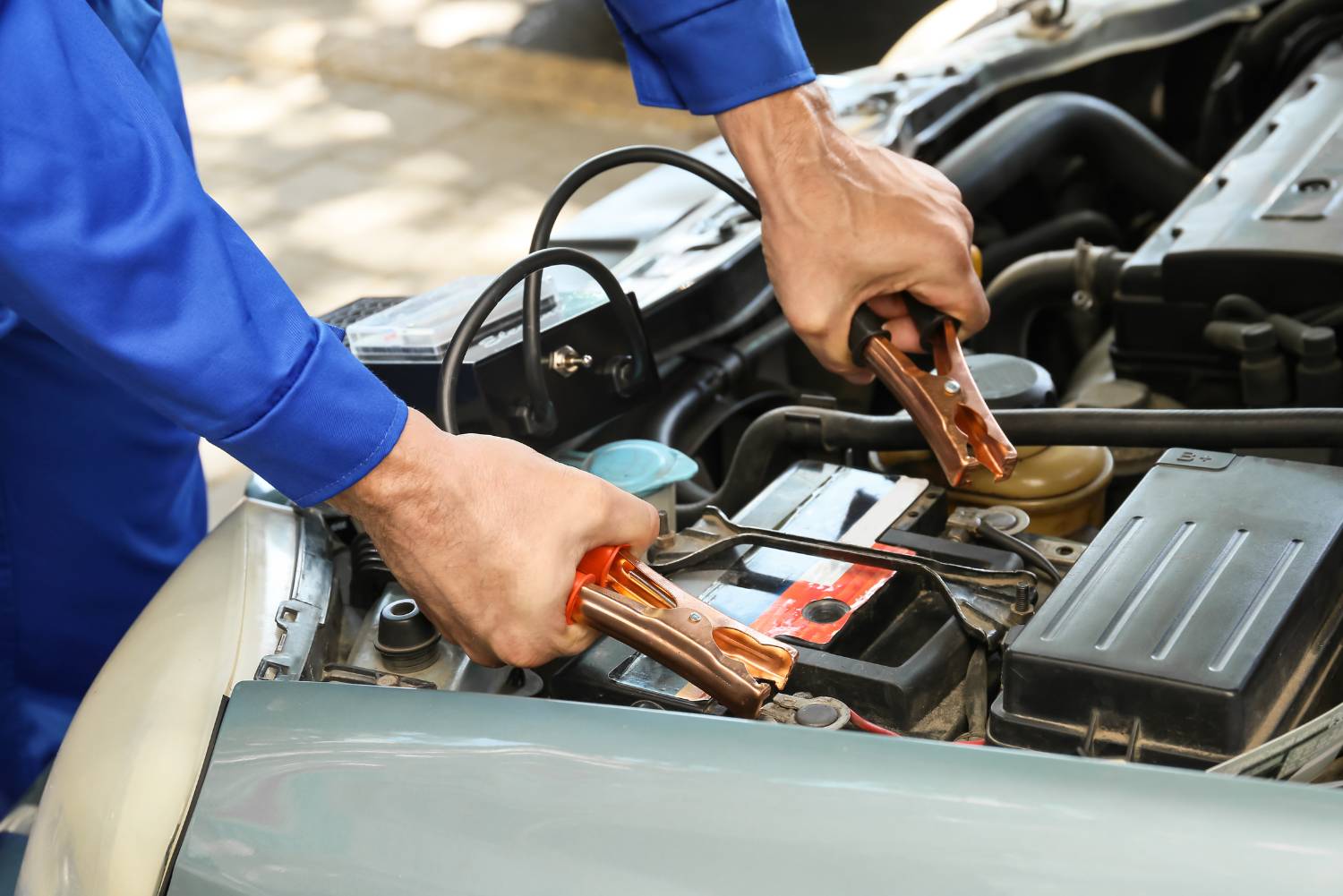
Batteries Are the Leading Cause of Breakdowns
How Sydney Conditions Heighten Electrical Strain
Several factors increase electrical stress:
Patterns Observed by European-Car Specialists
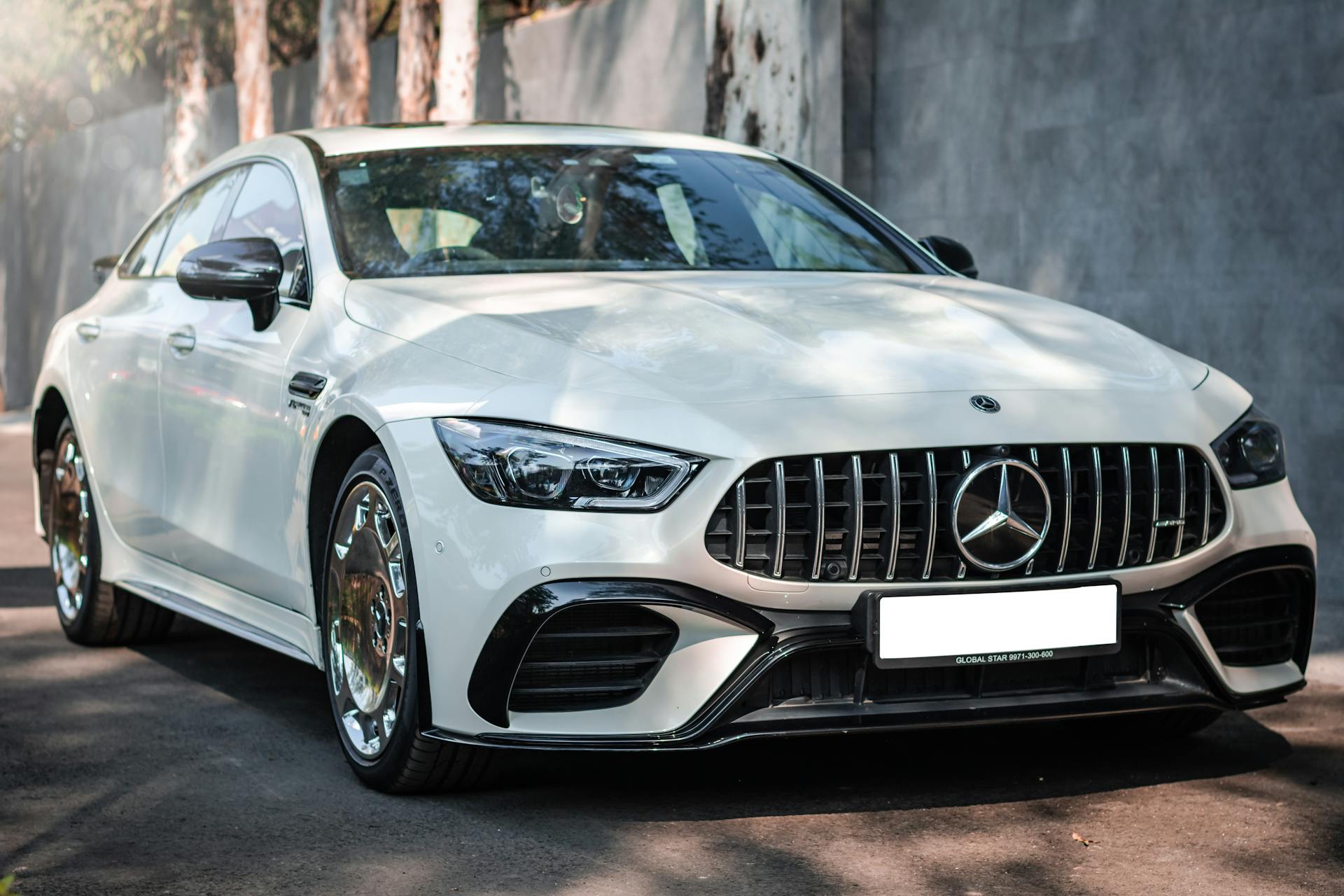
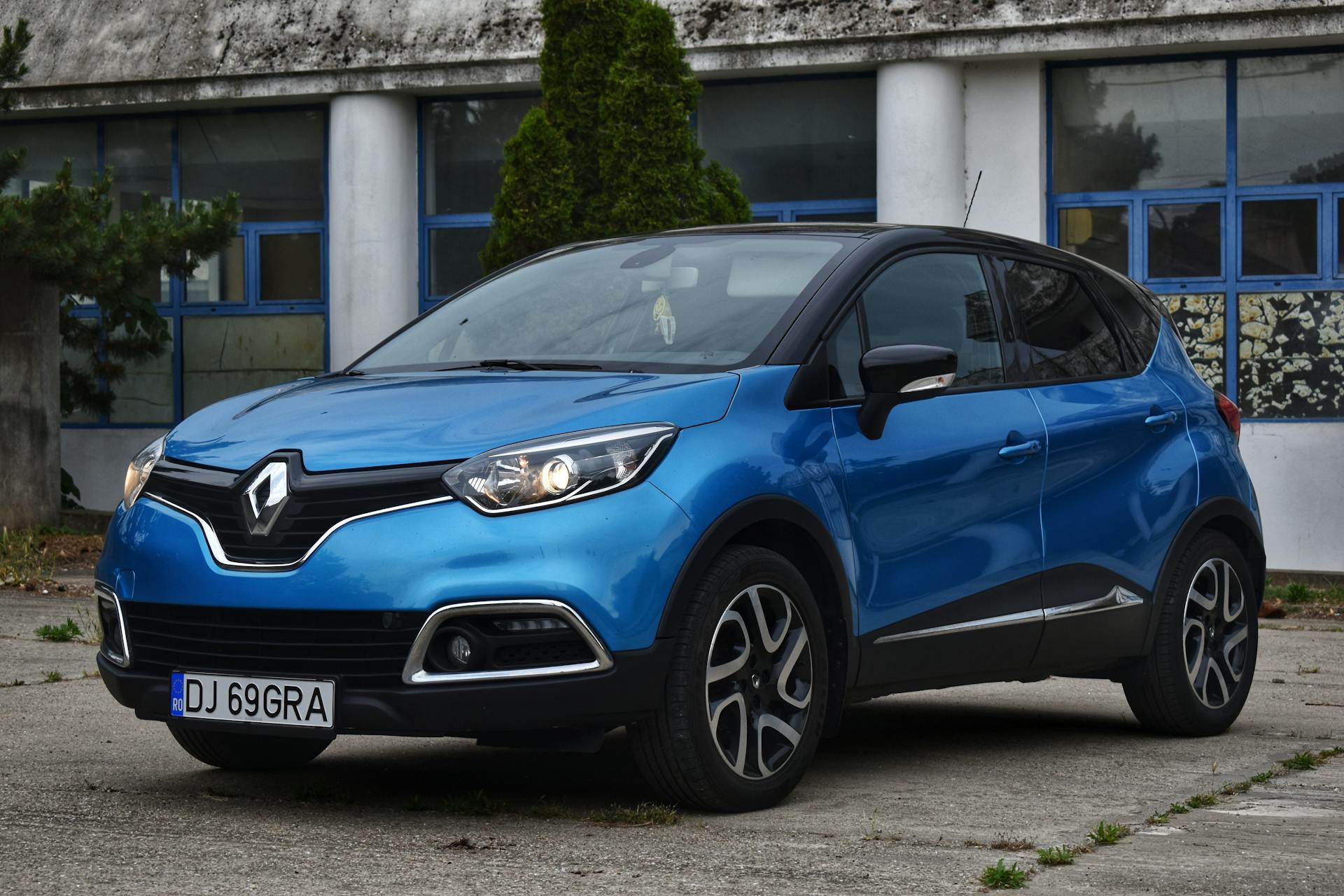
Independent workshops that specialise in European brands like Karl Knudsen Automotive consistently report recurring patterns in the vehicles they inspect. They cite cooling system leaks, ageing plastic fittings, sensor faults and battery-related issues as common findings. While this does not constitute a controlled dataset, it is a repeating pattern across shops that service large volumes of Audi, BMW, Mercedes, Volkswagen, Volvo, Renault, Peugeot and Skoda vehicles in Australia.
These workshops describe how small cooling leaks and deteriorating connectors often lead to electrical problems because modern European engines rely heavily on precise sensor readings.
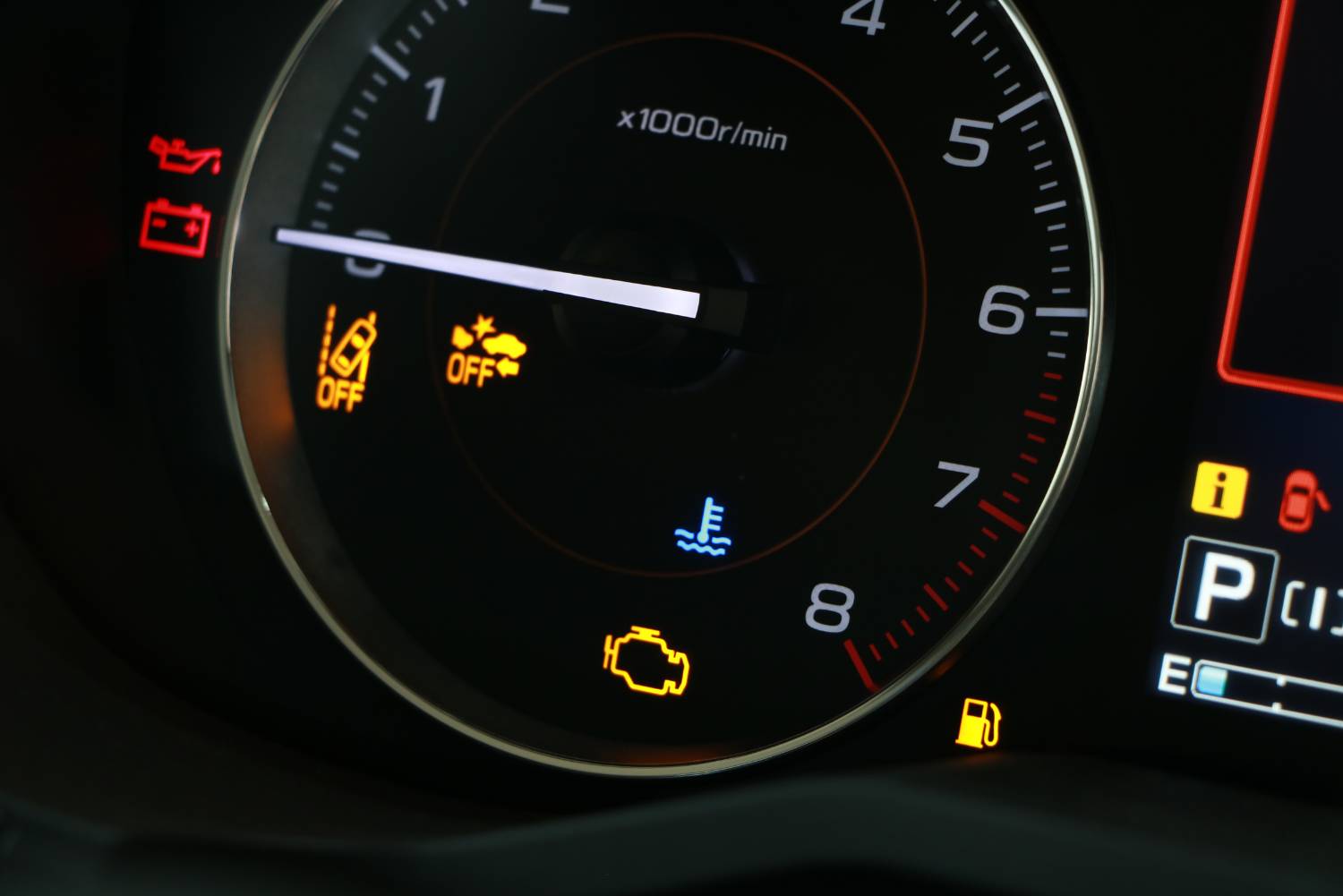
Early Signs Sydney Drivers Commonly Notice
Typical early signs include:
How Small Problems Escalate
Once voltage stability deteriorates or connectors begin to degrade, modern vehicles compensate by reducing or disabling certain features. This can make the underlying issue appear unrelated to the symptoms.
The table below outlines how early symptoms can develop into broader problems if left unresolved.
| Early Symptom | Likely Cause | Possible Escalation |
|---|---|---|
| Brief warning lights | Weak battery or unstable voltage | Limp mode or safety system deactivation |
| Stop-start disabled | Battery losing reserve capacity | Charging system faults |
| Sporadic sensor alerts | Heat or moisture affecting connectors | Module replacement |
| Fluctuating air conditioning | High electrical load | HVAC component failure |
Practical Steps for Owners
Useful checks include:
A sensitivity to conditions rather than evidence of higher failure
While there is no proven dataset showing European cars experience electrical problems more than other vehicles in Sydney, what the available information does suggest is a pattern of sensitivity.
European vehicles often rely on complex electrical systems that respond sharply to heat, high electrical load and voltage fluctuation. Sydney’s climate and driving conditions often expose weaknesses earlier or more clearly.
The question is not whether European cars are inherently less reliable. It is whether they react more visibly to the pressures of local conditions. Based on the evidence that does exist, that is a reasonable conclusion.
Further Reading
Flat battery as leading cause of undriveable vehicles
Budget Direct Roadside Assistance Survey (2024).
Verified live link:
https://www.budgetdirect.com.au/roadside-assistance-australia/guides/roadside-assistance-survey.html
This source confirms:
“Flat battery” was the number one reason respondents said their vehicle became undriveable, ahead of mechanical breakdown and flat tyres.

