

Across Sydney, independent workshops see the same pattern each year. When the temperature climbs, European cars begin arriving with overheating complaints, coolant warnings, limp-mode issues and electrical faults. The brands vary, but the symptoms are familiar: engines running too hot, air-conditioning losing power, or warning lights that appear during long commutes.
Owners often assume the heat simply pushed an older car too far. The reality is more nuanced. European cars are engineered for very different climates, and their systems react sharply to Australia’s combination of heat, traffic and terrain.
Engine Bays Designed for Colder Climates
Most modern European cars are built for Northern Europe, where summer temperatures are far more moderate. Their cooling systems are efficient, but they rely heavily on plastic connectors, compact radiators and high-pressure coolant circuits. Sydney’s long, hot periods put continuous strain on these components.
Traffic Turns Small Problems Into Big Ones
This environment weakens already ageing components. A tiny seep in a hose becomes a full leak. A thermostat that has been slow to open all year sticks at the worst moment. An older battery, struggling with heat, triggers electrical faults unrelated to the battery itself.
Many breakdowns that happen on a hot day began months earlier but only become visible when the cooling system is under maximum load.
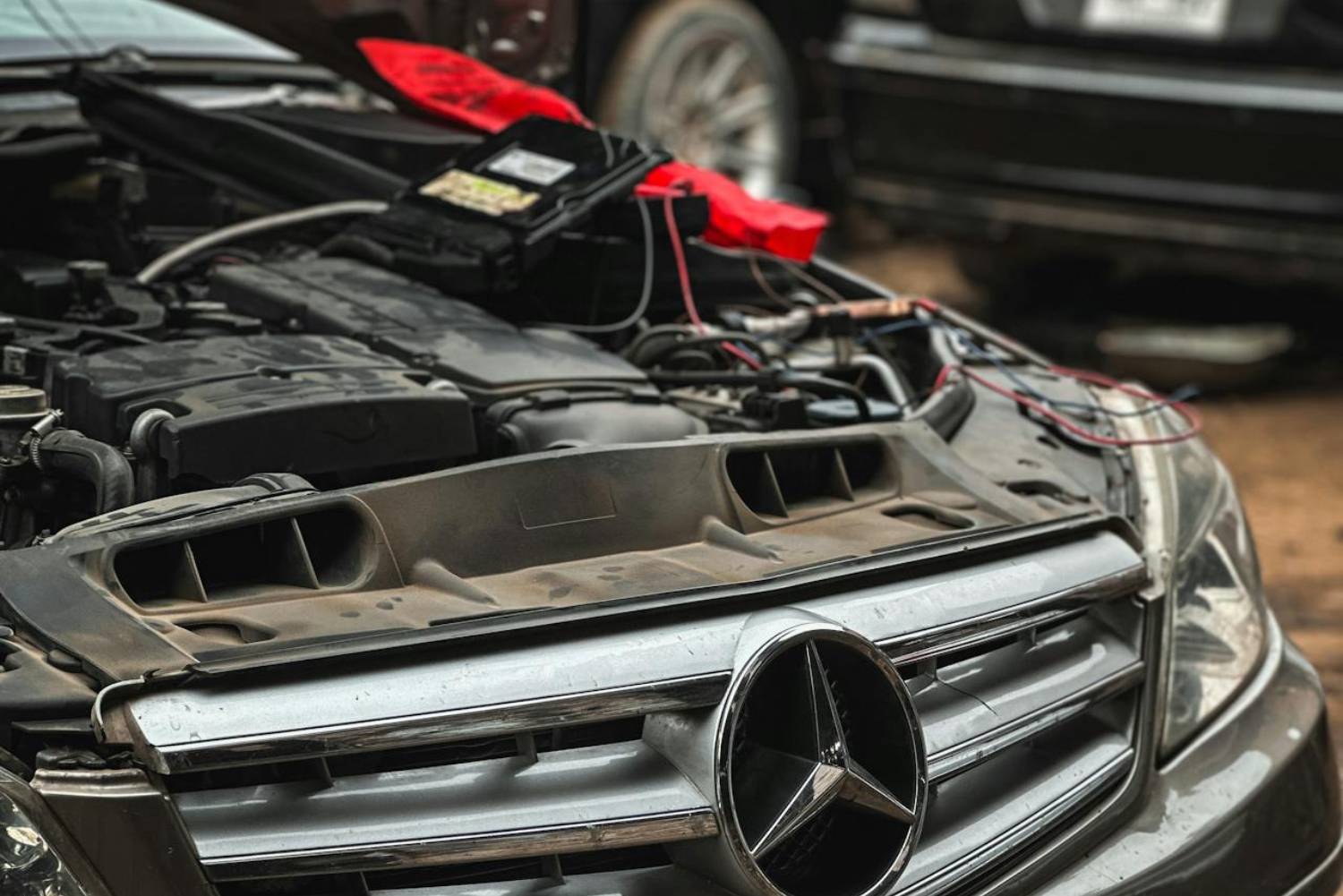
Why Some European Cars Overheat Faster Than Others
Even within European brands, different models react differently to heat. Compact SUVs often carry more weight than their engines were originally paired with. High-performance variants run hotter by design. Older diesels, still common among European imports, rely on cooling systems that are sensitive to blocked radiators or slow coolant loss.
Mechanics frequently see:
These issues can be frustrating because they feel unpredictable. In most cases, they trace back to small weaknesses that develop over time.
Electrical Systems Struggle in Heat Too
That is why some cars enter limp mode on hot days without an obvious mechanical fault. The system is protecting itself.
What Owners Can Do Before Summer Starts
A few checks can dramatically reduce the chance of summer breakdowns, especially in older European models.
Key areas to review include:
A Seasonal Problem With Predictable Causes
European cars are not inherently unreliable in Australian summers. They simply operate at the edge of their design assumptions when exposed to sustained heat, heavy traffic and steep terrain. When the cooling system has weakened through age or wear, hot weather exposes those weaknesses quickly.
For most owners, understanding this pattern helps shift the issue from a sudden breakdown to something that can be prevented with timely maintenance. In a city where summer heat has become both longer and more intense, those small steps can prevent a great deal of disruption.

